>>
30-MINUTE MEALS! Get the email series now →


Buttery, tender piped cookies with crisp edges and a melt-in-your-mouth center — a timeless treat perfect for gifting, tea, or cozy afternoons.
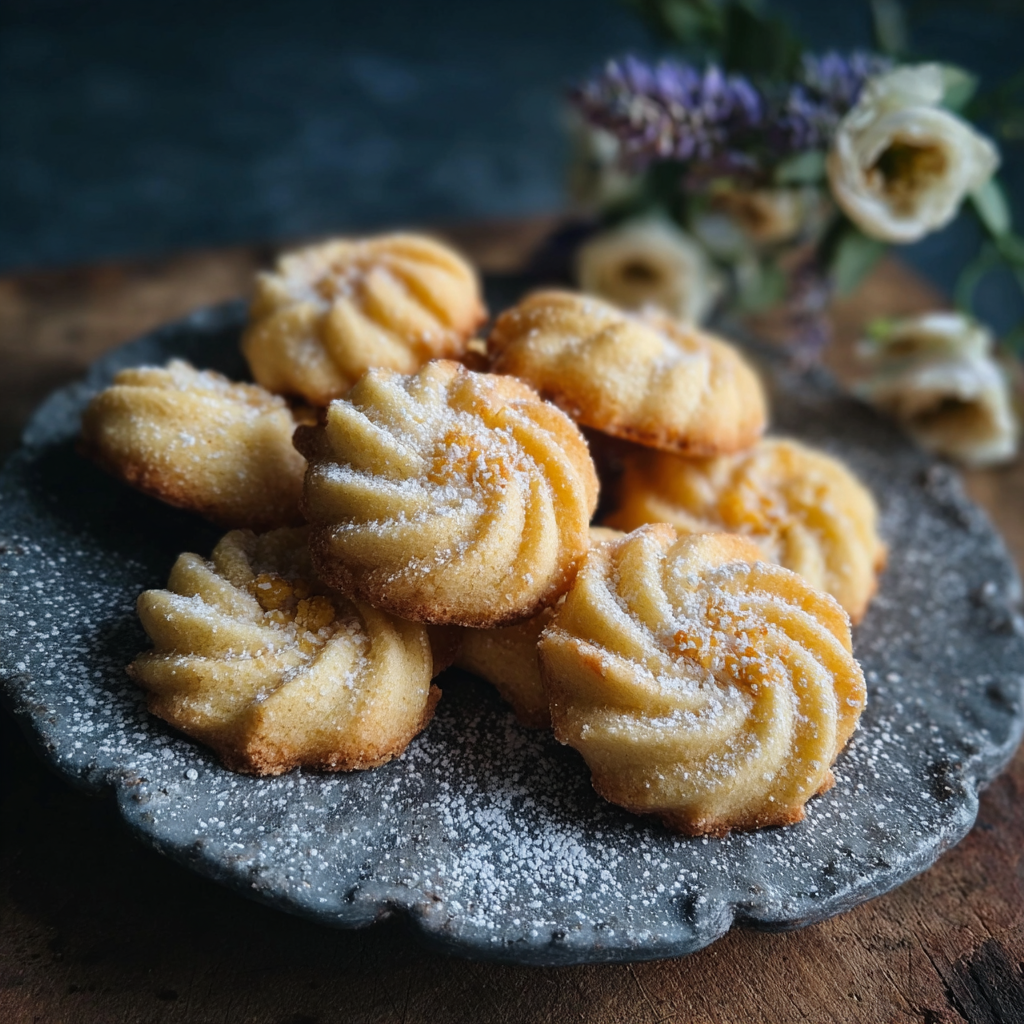
This recipe for Danish butter cookies has been a quiet tradition in my kitchen for years. I first made these on a rainy afternoon when I wanted something simple but special: a cookie that relied on technique rather than a long ingredient list. The dough is rich with unsalted butter and just the right amount of sugar, producing cookies that spread minimally and hold the delicate ridges from a star tip. What makes them stand out is the contrast between the light golden edges and a soft, almost shortbread-like center. Each bite is a buttery, fine-cracked ribbon of flavor that pairs beautifully with coffee or a strong tea.
I discovered this version while trying to recreate a bakery memory from a trip to Copenhagen. Rather than a precise copy, I simplified the method for home baking, focusing on the quality of the butter and the rhythm of piping. These cookies are forgiving: they tolerate slight overworking and still yield a tender crumb if you follow the cues for color and texture. They became my go-to when I needed an elegant cookie for gatherings, and they travel well in tins, which made them perfect for holiday exchanges. Family and friends often comment on the clean butter flavor and the nostalgic shape, which brings a small, celebratory feeling to ordinary days.
Personally, I love how this recipe bridges everyday comfort and a little finesse. My mother used to press these out with a fork, but piping adds a touch of bakery polish that always earns compliments. When I bring a tin to a neighbor or family gathering, the cookies rarely make it past the second round. They’re one of those recipes that remind me of small rituals—preheating the oven, the hum of the mixer, and the quiet satisfaction of a perfect little ridge on each cookie.
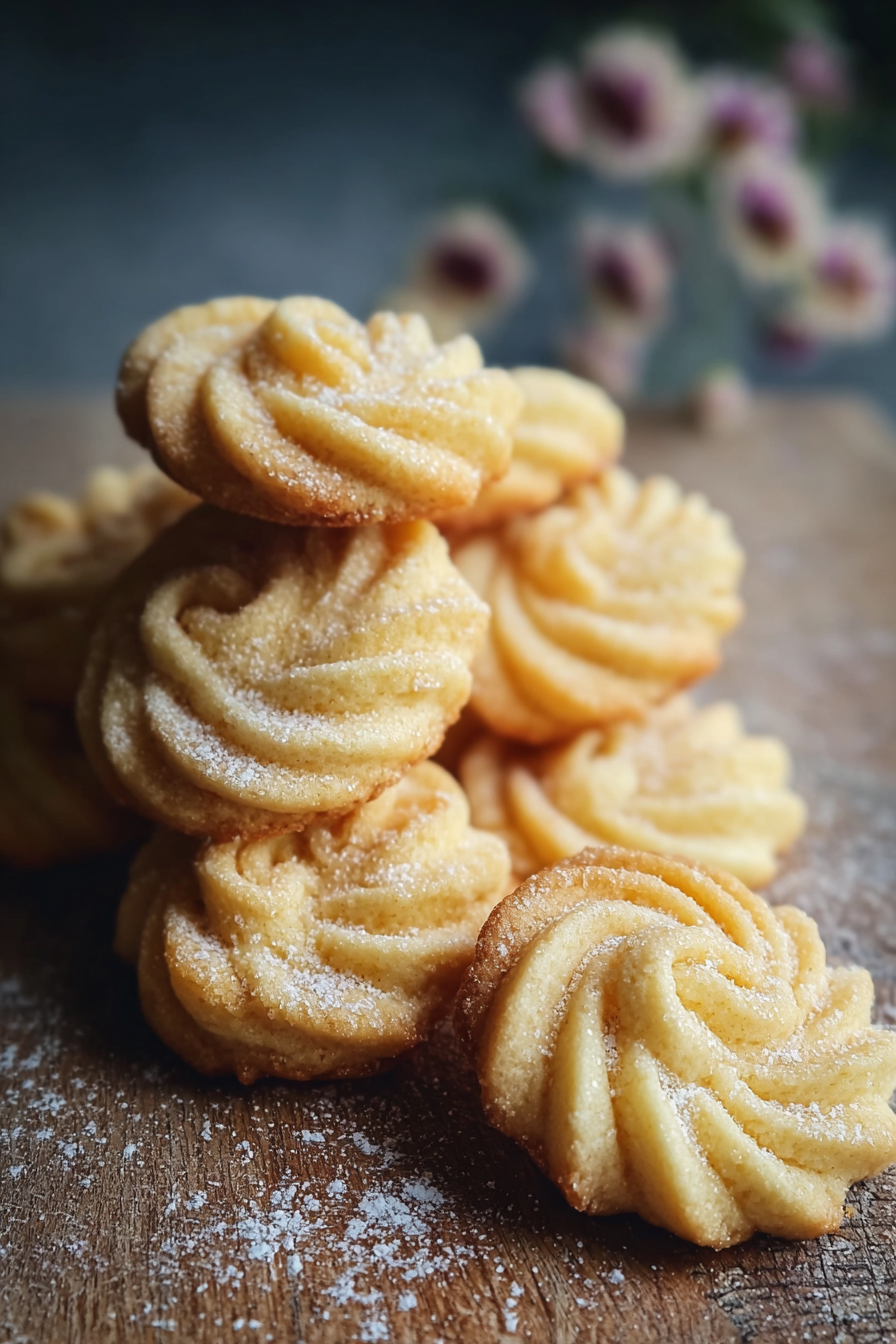
My favorite thing about these cookies is how portable the joy is: I often prepare a big batch and portion them into small tins to hand out as tokens of appreciation. They’re also forgiving for multi-tasking bakers—while piping requires a little focus, the dough’s forgiving nature makes it suitable for beginners and experienced bakers alike.
Store the cookies at room temperature in an airtight container layered with parchment paper for up to 5 days. For longer storage, freeze completely cooled cookies in a single layer on a baking sheet for an hour, then stack in airtight freezer-safe containers up to 3 months. To refresh slightly softened cookies, warm them in a 300°F oven for 3–4 minutes to restore a delicate crispness. Avoid refrigeration, which can introduce humidity and make the cookies lose their fine texture.
If you need to swap ingredients, use 1 cup of salted butter but omit the 1/4 teaspoon of salt in the recipe. For a slightly lighter chew, replace up to half the all-purpose flour with pastry flour. To make them gluten-free, use a 1:1 gluten-free flour blend formulated for baking—expect a slightly different mouthfeel and watch the baking time carefully. For a dairy-free option, use a high-fat vegan butter alternative and note the flavor will shift; egg replacers are possible but may affect structure and color.
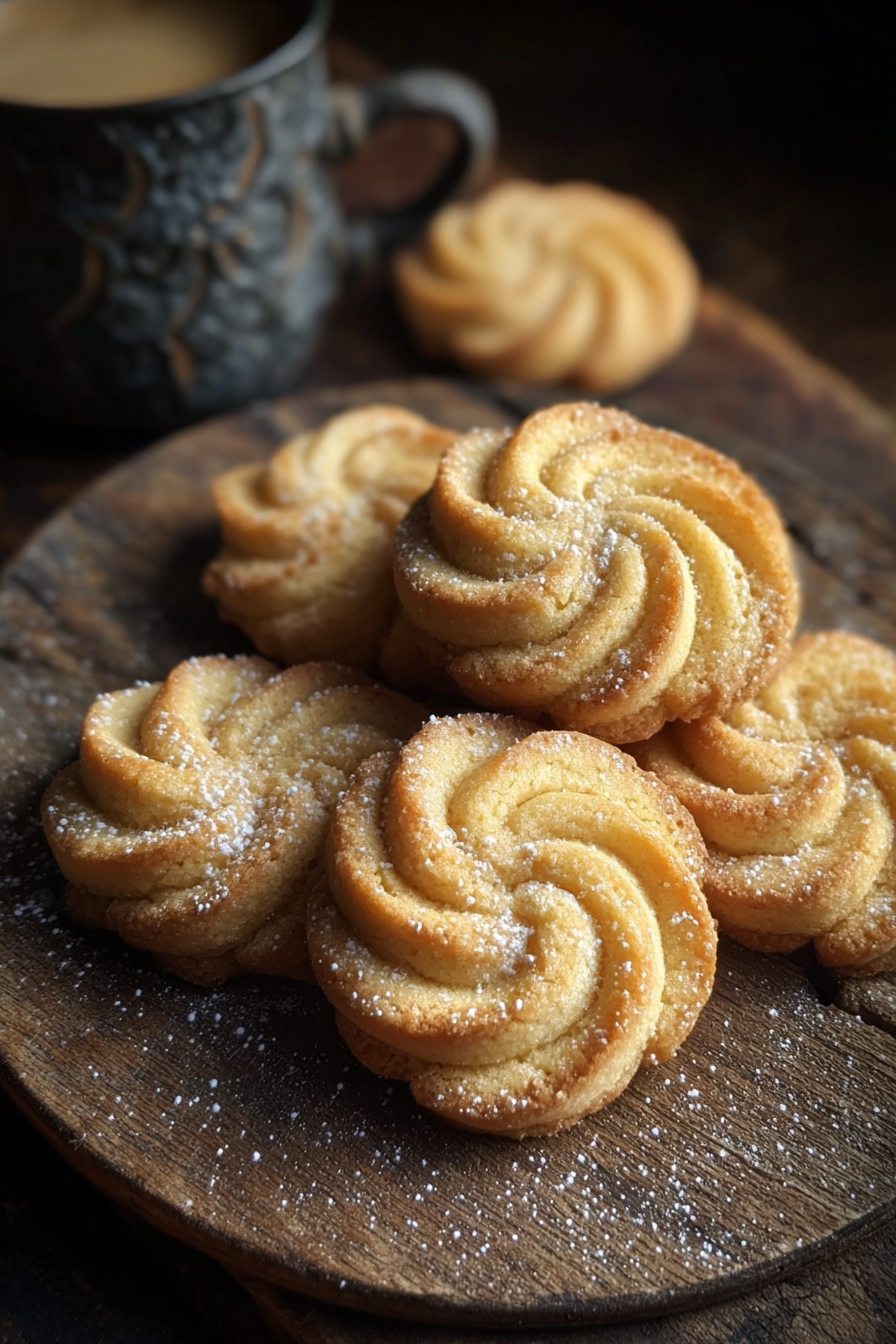
Serve these cookies alongside strong coffee, Earl Grey, or a toasted nut milk for contrast. They’re excellent with a smear of jam, a dip in melted dark chocolate, or stacked between layers of whipped cream for a simple dessert. For holiday presentation, arrange in a tin with parchment and a sprig of rosemary for aroma. They also pair nicely with fruit compotes or a small scoop of vanilla ice cream when you want a slightly more indulgent plate.
These crisp, buttery cookies draw inspiration from classic Danish baking traditions where butter and simple techniques highlight the quality of ingredients. While not traceable to a single historical recipe, the shape and texture align with Northern European shortbread and butter cookie methods that emphasize butterfat and gentle handling. Over time, home bakers and patisseries in Denmark and surrounding regions refined piping techniques and the addition of cornstarch to create the delicate crumb beloved today.
In winter, fold in a pinch of ground cardamom or orange zest to complement warm spices. For spring, add a few drops of rosewater and top with pistachio crumbs. During summer, press a small amount of lemon curd into the center of a baked cookie for a tart contrast. These adaptations change the aromatic profile while keeping the essential buttery base intact.
Make the dough ahead and chill for up to 24 hours to deepen flavor—bring back to room temperature for easier piping. For large batches, pipe multiple trays and freeze them uncooked on a tray before transferring to zip-top bags. Label with the date and bake directly from frozen; add 1–2 minutes to the oven time. Use silicone piping bags for easier cleanup and consistent pressure when producing dozens of cookies.
These cookies are a small measure of joy you can make any afternoon. Whether you’re baking for company or quietly enjoying one with coffee, the simple technique and buttery flavor make them a lasting favorite. I hope you try piping them—the satisfaction of a perfect rosette is worth a little practice.
Use room-temperature butter and egg for a smooth emulsion and consistent texture.
When piping, hold the bag vertically and apply steady pressure for uniform shapes.
Do not overbake—remove when edges are just turning light golden to keep a tender center.
If the dough feels too soft, chill it briefly for 10–15 minutes to firm up for piping.
This nourishing classic danish butter cookies recipe is sure to be a staple in your kitchen. Enjoy every moist, high protein slice — it is perfect for breakfast or as a wholesome snack any time.
Yes. Pipe the dough onto a lined sheet, freeze until solid (about 1 hour), transfer to a freezer bag, and bake from frozen adding 1–2 minutes to the time.
Room temperature or slightly warm but not melted. Soft but still holding its shape ensures proper creaming and piping.
This Classic Danish Butter Cookies recipe makes perfectly juicy, tender, and flavorful steak every time! Serve with potatoes and a side salad for an unforgettable dinner in under 30 minutes.
Preheat oven to 350°F (175°C) and line two baking sheets with parchment paper. Position racks to allow even airflow and ensure a hot oven so cookies set immediately when baked.
Cream softened butter and granulated sugar on medium speed until light and fluffy, about 2–3 minutes, scraping the bowl to incorporate all butter evenly.
Beat in the room-temperature egg and vanilla extract until combined and glossy, ensuring the mixture remains emulsified.
Whisk together flour, cornstarch, and salt in a separate bowl to distribute the cornstarch and salt evenly for a tender texture.
Gradually add the dry mix to the wet mixture, mixing on low or folding with a spatula until a smooth dough forms. Avoid overmixing once flour is incorporated.
Fill a piping bag fitted with a large star tip and pipe 1.5–2 inch rosettes or shapes onto prepared sheets, spacing 1.5–2 inches apart. Sprinkle sugar if desired.
Bake for 12–15 minutes until edges are light golden. Cool on the baking sheet for 5 minutes, then transfer to a wire rack to cool completely.
Last Step: Please leave a rating and comment letting us know how you liked this recipe! This helps our business to thrive and continue providing free, high-quality recipes for you.
Leave a comment & rating below or tag
@mrsrecipe on social media!
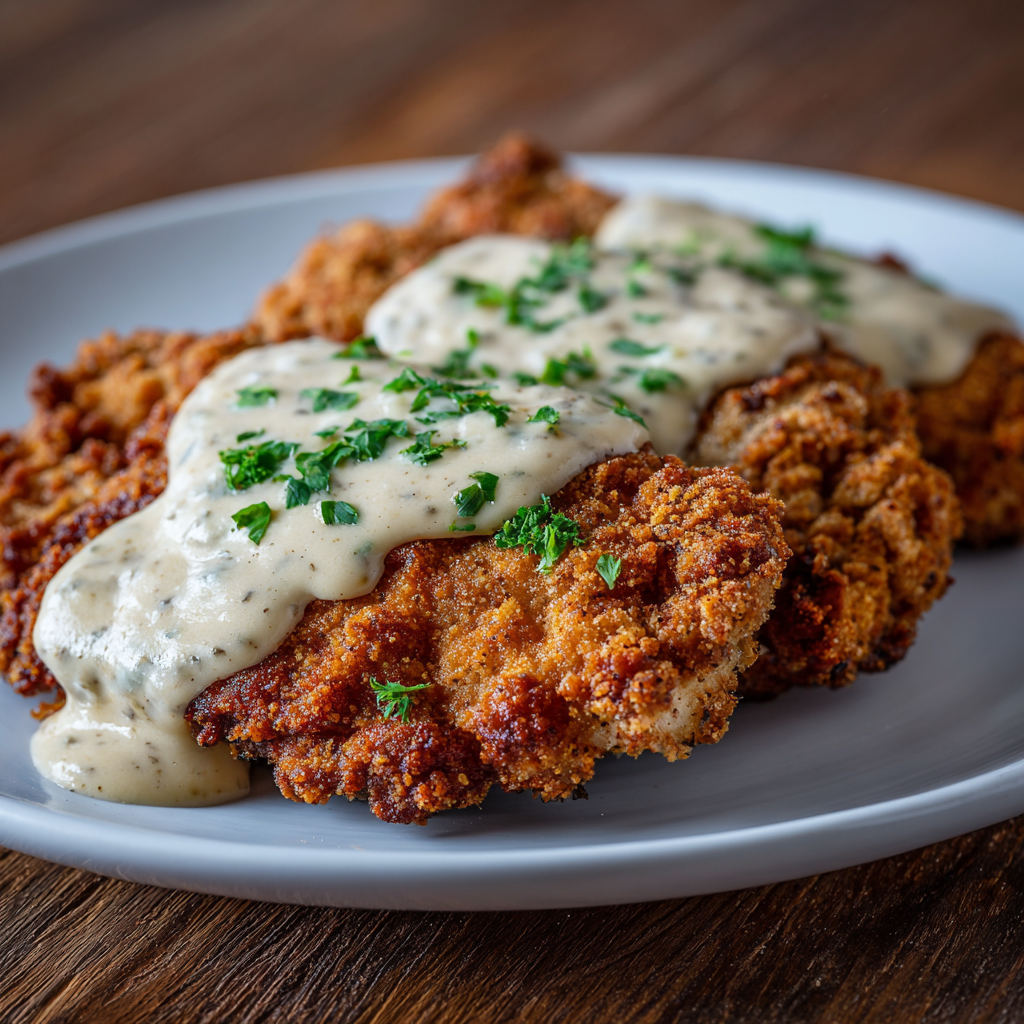
A crispy, tender chicken fried steak with a rich sausage cream gravy — classic comfort food perfect for family dinners and weekend indulgence.
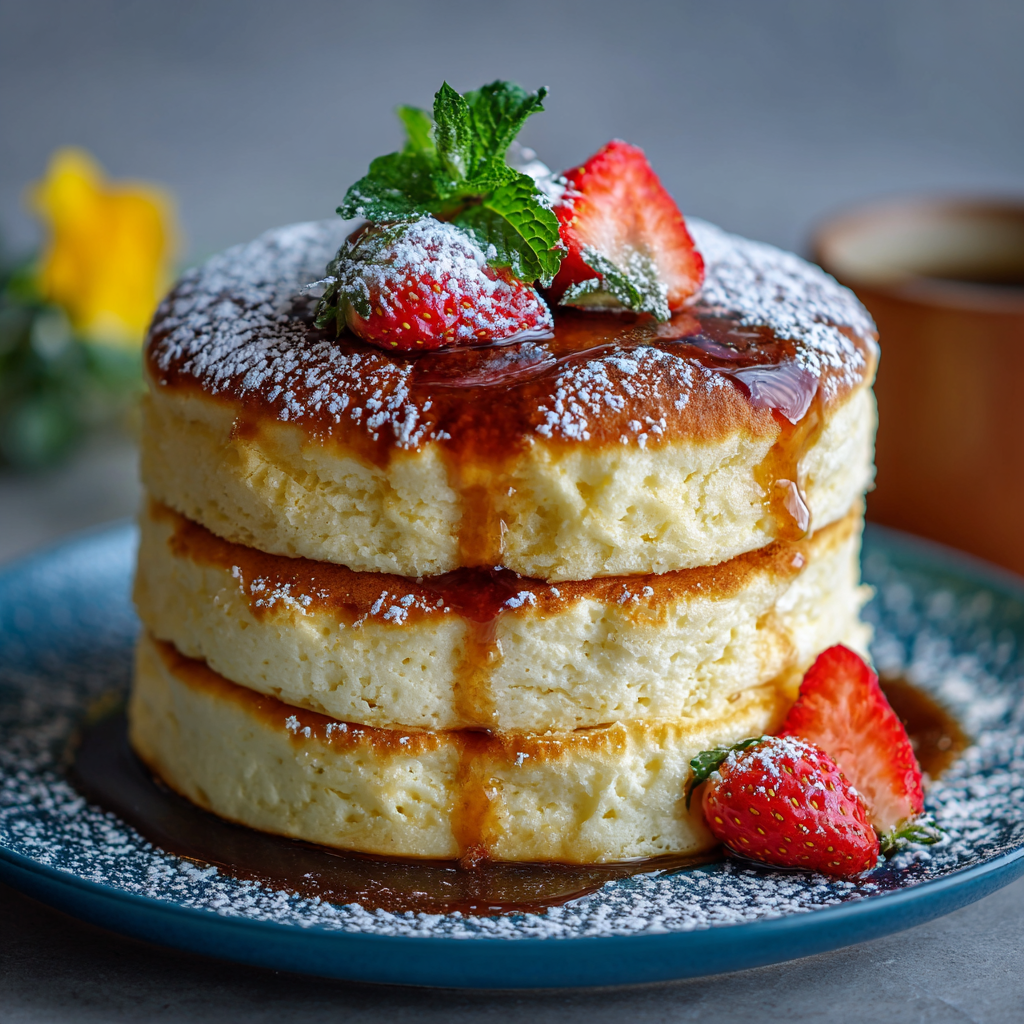
Tall, cloudlike pancakes with a delicate eggy interior and golden exterior, perfect for a celebratory breakfast or a relaxed weekend treat.
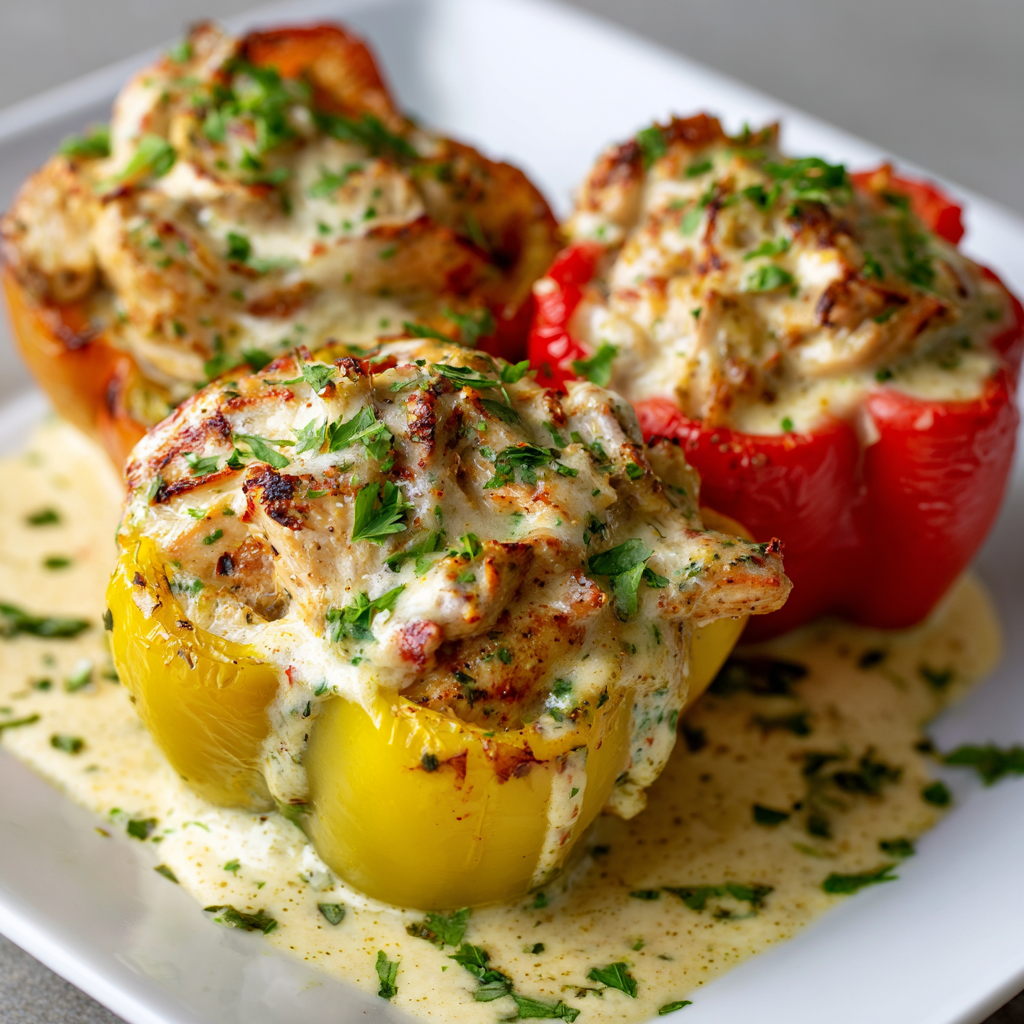
Bell peppers filled with a rich, creamy chicken and cheese mixture—simple to assemble, family-friendly, and perfect for weeknight dinners or make-ahead meals.
Leave a comment & rating below or tag @mrsrecipe on social media!
Enjoyed this recipe? Share it with friends and family, and don't forget to leave a review!
This recipe looks amazing! Can't wait to try it.
Comments are stored locally in your browser. Server comments are displayed alongside your local comments.
Quick and easy dinner ideas delivered to your inbox.