
Homemade French Croissants

Classic, flaky French croissants made at home with laminated butter layers for a deeply golden, tender interior and crisp, airy exterior.

This recipe is my tried-and-true approach to making authentic French croissants at home, and it has a special place in my kitchen memories. I first attempted laminated dough on a rainy afternoon when I wanted to recreate the smell of a Paris bakery. After a few imperfect attempts, I learned that patience and precise chilling make the difference between a good pastry and a bakery-quality croissant. The result of this version is a crisp, deeply golden crust with visible layered flakes and a soft, honeycombed interior that tears apart in delicate sheets.
What makes these especially memorable is the balance of butter and dough. The butter block is cold and workable so it shears into thin layers without melting into the dough, while the détrempe remains supple enough to stretch slightly when rolling. The finished product is a layered, buttery crescent with a glossy finish from a simple egg wash. These croissants are perfect for leisurely weekend breakfasts or a special brunch; they keep well for a day and taste incredible warmed with a little jam and coffee.
Why You'll Love This Recipe
- Uses straightforward pantry staples and common baking equipment so you can make laminated pastries at home without specialty supplies.
- Clear timing and chilling intervals that fit around typical weekend schedules; active hands-on time is reasonable while most time is resting in the fridge.
- Produces reliably flaky layers through three turns, delivering the classic lift and honeycomb crumb associated with French pastries.
- Make-ahead friendly: dough can be refrigerated overnight between turns or chilled fully before final shaping to fit your timing.
- Good for crowd-pleasing breakfasts — yields about a dozen large croissants that are impressive on the table yet approachable to prepare.
- Finish with an egg wash for that signature shiny, golden crust that browns evenly at 400°F.
When I served these to family for the first time, an eight-year-old quietly ate one and then announced it was the best croissant ever. That moment convinced me this technique—while a bit technical—is worth the effort. Over several batches I adjusted chill times and rolling sizes to make shaping easier for home bakers, and these notes reflect those refinements.
Ingredients
- All-purpose flour (4 cups): Use a reliable brand like King Arthur or Gold Medal for consistent protein content. Spoon and level into measuring cups for accuracy; the flour provides structure and strength for the layered crumb.
- Granulated sugar (1/4 cup): Adds a touch of sweetness that encourages browning and balances the butter; you won’t taste it as a sweet pastry like a danish, but it rounds the flavor.
- Salt (1 tablespoon): Using fine table salt or sea salt is fine; salt strengthens gluten and enhances flavor—do not omit or reduce too much.
- Active dry yeast (1 tablespoon): Bloom in warm milk to ensure viability; if using instant yeast, reduce the amount by about 25% and mix with flour.
- Warm milk (1 1/4 cups): Aim for 100–110°F when dissolving yeast; milk adds tenderness and a subtle richness compared with water.
- Unsalted butter, melted (2 tablespoons): Incorporated into the dough for richness only; not the laminated butter. Use room temperature melted butter for even mixing.
- Unsalted butter for beurrage (1 cup, cold): Use a high-fat European-style block if possible for flavor and elasticity. Chill and shape into a 6-inch square between parchment before laminating.
- Egg wash (1 egg + 1 tablespoon milk): Gives a glossy, deeply colored crust. Beat together and brush gently before baking.
Instructions
Mix the détrempe (dough):In a large bowl or stand mixer fitted with the dough hook, combine 4 cups all-purpose flour, 1/4 cup granulated sugar, and 1 tablespoon salt. Warm 1 1/4 cups milk to about 100–110°F and sprinkle 1 tablespoon active dry yeast over the surface. Let sit 5–10 minutes until foamy, then add the milk-yeast and 2 tablespoons melted butter to the dry ingredients. Mix on low until the dough comes together, then knead 3–5 minutes until smooth and slightly elastic. Do not overwork—stop when it’s cohesive and not sticky.Make the butter block (beurrage):Place 1 cup cold unsalted butter between two sheets of parchment paper. Using a rolling pin, press and roll the butter into an even 6-inch square. If butter softens too much, chill for 10–15 minutes. The butter should be pliable but still cold to the touch so it keeps distinct layers during laminating.Enclose the butter:Roll the dough into a 12-inch square on a lightly floured surface. Center the butter square diagonally so it forms a diamond inside the dough. Fold the corners of the dough over the butter to fully encase it, pinching edges to seal. Chill the wrapped envelope for 10–15 minutes if the butter has warmed.First turn and chill:On a lightly floured surface, roll the dough envelope into a rectangle roughly 8 by 20 inches. Fold the dough into thirds like a letter. Rotate the dough 90 degrees, wrap tightly in plastic wrap, and chill for 30 minutes. This is the first "turn." Cold resting is crucial to keep the butter distinct.Repeat turns:Unwrap and perform two more cycles of rolling to an 8×20-inch rectangle and folding into thirds. After each turn, wrap and chill for 30 minutes. A total of three turns builds many alternating layers of butter and dough; be patient to prevent butter leakage.Final roll and cut:After the final rest, roll the dough into a large rectangle about 1/4 inch thick. Trim the edges with a sharp knife to make clean sides, then cut triangles with a base of about 5 inches using a pizza cutter or bench scraper. Each triangle should be roughly isosceles for even rolling.Shape the croissants:Starting at the wide base, gently stretch each triangle slightly, then roll toward the tip to form a crescent shape. Place shaped croissants on parchment-lined baking sheets with space to rise. Cover loosely with plastic or a clean towel.Proof:Let the croissants rise at room temperature until noticeably puffy and nearly doubled, about 1.5 to 2 hours depending on kitchen warmth. They should look airy but not overly soft—an underproof yields dense centers; overproofed will collapse in the oven.Bake:Preheat the oven to 400°F. Whisk 1 egg with 1 tablespoon milk and gently brush each croissant. Bake at 400°F for 18–22 minutes, rotating the pans halfway for even browning, until puffed and deep golden brown. Cool on a wire rack at least 10 minutes before serving.
You Must Know
- Keep all ingredients and surfaces cool; warmth will cause the butter to melt into the dough and ruin separate layers.
- Three turns is the home cook sweet spot for visible lamination—professional bakers may do more turns for bakery-level lift.
- These keep well at room temperature for a day in a paper bag to maintain crispness; refrigerate for longer storage or freeze fully baked croissants for up to 1 month.
- Proofing times vary by temperature—use visual cues of puffiness rather than strict timing when possible.
- Use a high-fat butter for richer flavor and better layering; European-style butter provides excellent results.
My favorite aspect is the sound a well-made croissant makes when you break it open: a crisp crust giving way to silky layers inside. Making these taught me that small technique adjustments—like a 10-minute chill mid-process—save batches from failure. Friends who tasted warm croissants at a brunch asked for the recipe and were surprised to find it accessible; once you master rolling and turning, it becomes a joyous ritual.

Storage Tips
To keep croissants crisp, store them at room temperature in a paper bag for up to 24 hours; plastic will soften the crust. For longer storage, freeze fully baked croissants in an airtight container for up to 1 month—reheat from frozen at 325°F for 10–12 minutes to refresh. Unbaked shaped croissants freeze well on a baking sheet, then transfer to a freezer bag; bake from frozen with an additional 4–6 minutes to ensure a fully cooked interior. Refrigeration shortens shelf life and dulls texture, so avoid chilling baked pastries unless necessary.
Ingredient Substitutions
If you prefer a richer flavor, swap the butter in the beurrage for European-style butter with at least 82% butterfat. For a slightly lighter crust, you can replace up to half of the all-purpose flour with bread flour to increase gluten strength, which aids lift. If you must avoid dairy, laminated dough is difficult to replicate—use a vegan butter designed for baking but be aware layers may blend differently. If yeast is unavailable, this becomes a different pastry altogether; do not skip yeast.
Serving Suggestions
Serve warm with unsalted butter and good-quality jam for breakfast, or fill with ham and gruyère for a savory brunch option. For a sweet variant, brush with apricot glaze immediately after baking or split and add Nutella for a decadent treat. Pair with espresso, café au lait, or a sparkling wine for a celebratory brunch. Presentation on a wooden board with linen napkins elevates the experience for guests.
Cultural Background
The laminated croissant traces its modern form to 19th-century Vienna and then Paris, where bakers refined the technique into the crescent-shaped laminated pastry everyone recognizes today. The French perfected the process and elevated the croissant into a national staple. Regional variations include filled or topped versions, and professionals often adjust butter types and turn counts to match local preferences for flakiness and crumb structure.
Seasonal Adaptations
Spring and summer are perfect for citrus-curd filled croissants and light fruit preserves; autumn suits spiced fillings like pear and almond paste. For holiday gatherings, incorporate cinnamon sugar before the final roll or brush with an orange-honey glaze after baking. Small changes in fillings and glazes make the classic laminated dough versatile across seasons.
Meal Prep Tips
Prepare the dough and complete the three turns the day before shaping, then refrigerate overnight. On the morning you plan to bake, roll, cut, shape, proof, and bake for fresh croissants with minimal active time. Freeze shaped, unproofed croissants on a tray, then store in a bag; on baking day transfer to a sheet, proof, and bake. This approach streamlines weekend brunch prep and keeps the process manageable.
Making croissants at home rewards patience with a pastry that tastes and looks special. Share them warm with friends and let the buttery layers speak for themselves—then tweak the technique to make the recipe your own.
Pro Tips
Keep all ingredients and surfaces cold; chilling between turns prevents butter from melting into the dough.
Use a ruler to measure roll dimensions so triangles are uniform for even baking.
Rotate pans halfway through baking for even color and consistent crispness.
If butter leaks, refrigerate the dough until firm before continuing to roll.
Use a stand mixer for consistent kneading, but finish shaping by hand for control.
This nourishing homemade french croissants recipe is sure to be a staple in your kitchen. Enjoy every moist, high protein slice — it is perfect for breakfast or as a wholesome snack any time.
FAQs about Recipes
Can I freeze croissants before baking?
Yes. You can freeze shaped, unproofed croissants on a baking sheet, then transfer to a freezer bag for up to one month. Bake from frozen with a few extra minutes.
How long should croissants proof?
Proof at room temperature until noticeably puffy, about 1.5 to 2 hours. If your kitchen is warm, reduce time and watch for visual cues rather than the clock.
Tags
Homemade French Croissants
This Homemade French Croissants recipe makes perfectly juicy, tender, and flavorful steak every time! Serve with potatoes and a side salad for an unforgettable dinner in under 30 minutes.
Ingredients
Dough (détrempe)
Butter block (beurrage)
Egg wash
Instructions
Mix the dough
Combine flour, sugar, and salt. Bloom yeast in warm milk, then mix with melted butter into the dry ingredients. Knead until smooth, about 3–5 minutes, then rest briefly.
Prepare the butter block
Shape cold butter into a 6-inch square between parchment. Keep it cold but pliable; chill if too soft.
Enclose the butter
Roll dough to a 12-inch square, place butter diagonally, and fold corners to encase. Chill if butter softens.
Perform turns
Roll to an 8×20-inch rectangle and fold into thirds. Wrap and chill 30 minutes. Repeat for a total of three turns.
Final roll and cut
Roll dough to 1/4-inch thickness, trim edges, and cut triangles with a 5-inch base. Stretch slightly and roll from base to tip.
Proof and bake
Let shaped croissants rise 1.5–2 hours until puffy. Brush with egg wash and bake at 400°F for 18–22 minutes until deep golden.
Last Step: Please leave a rating and comment letting us know how you liked this recipe! This helps our business to thrive and continue providing free, high-quality recipes for you.
Nutrition
Did You Make This?
Leave a comment & rating below or tag
@mrsrecipe on social media!
Categories:
You might also like...

Best Chicken Fried Steak
A crispy, tender chicken fried steak with a rich sausage cream gravy — classic comfort food perfect for family dinners and weekend indulgence.
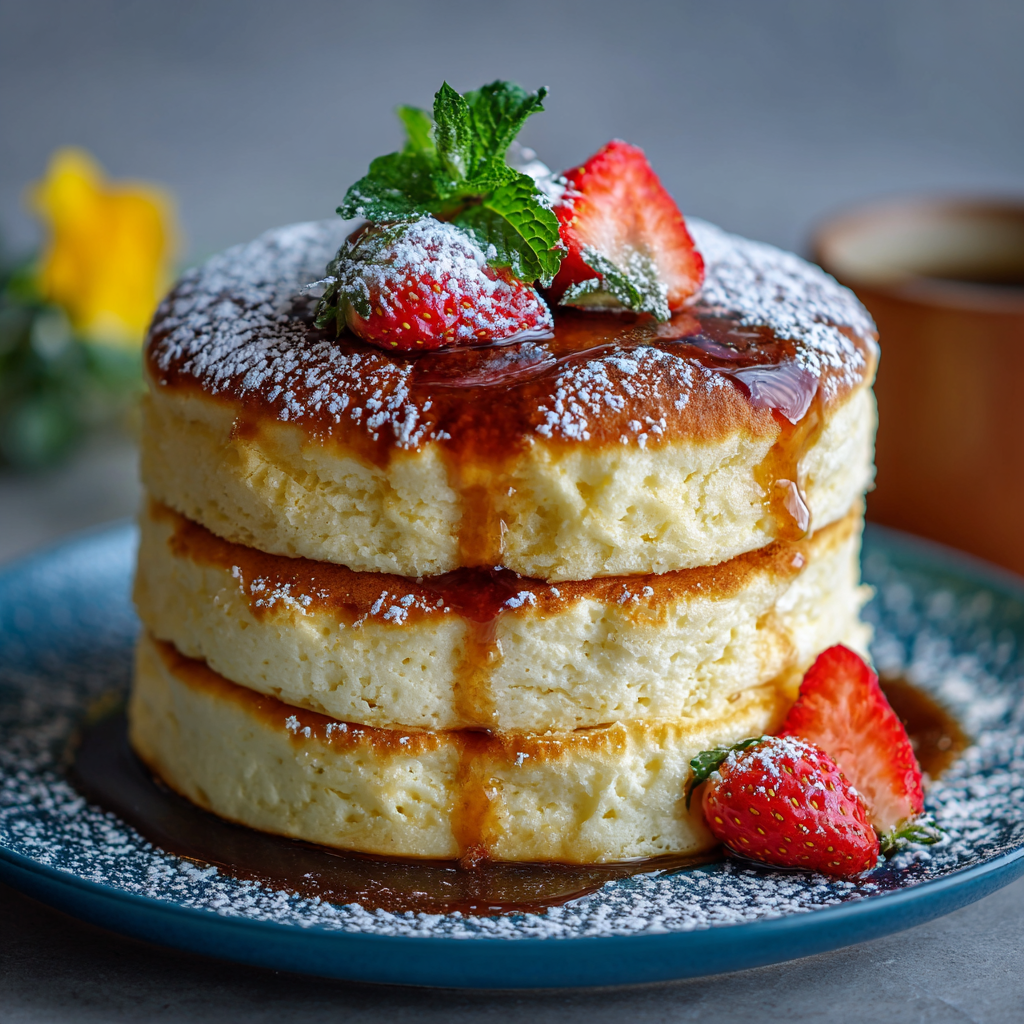
Fluffy Japanese Soufflé Pancakes
Tall, cloudlike pancakes with a delicate eggy interior and golden exterior, perfect for a celebratory breakfast or a relaxed weekend treat.

Creamy Chicken Stuffed Peppers
Bell peppers filled with a rich, creamy chicken and cheese mixture—simple to assemble, family-friendly, and perfect for weeknight dinners or make-ahead meals.
Did You Make This?
Leave a comment & rating below or tag @mrsrecipe on social media!
Rate This Recipe
Share This Recipe
Enjoyed this recipe? Share it with friends and family, and don't forget to leave a review!
Comments (1)
This recipe looks amazing! Can't wait to try it.
Comments are stored locally in your browser. Server comments are displayed alongside your local comments.
Hi, I'm Clara!
What's Popular

Get My 30-Minute Meals email series!
Quick and easy dinner ideas delivered to your inbox.