
Salted Peppermint Bark

A festive layered bark of milk chocolate and white almond bark, brightened with peppermint and a sprinkle of sea salt—easy to make and perfect for gifting.
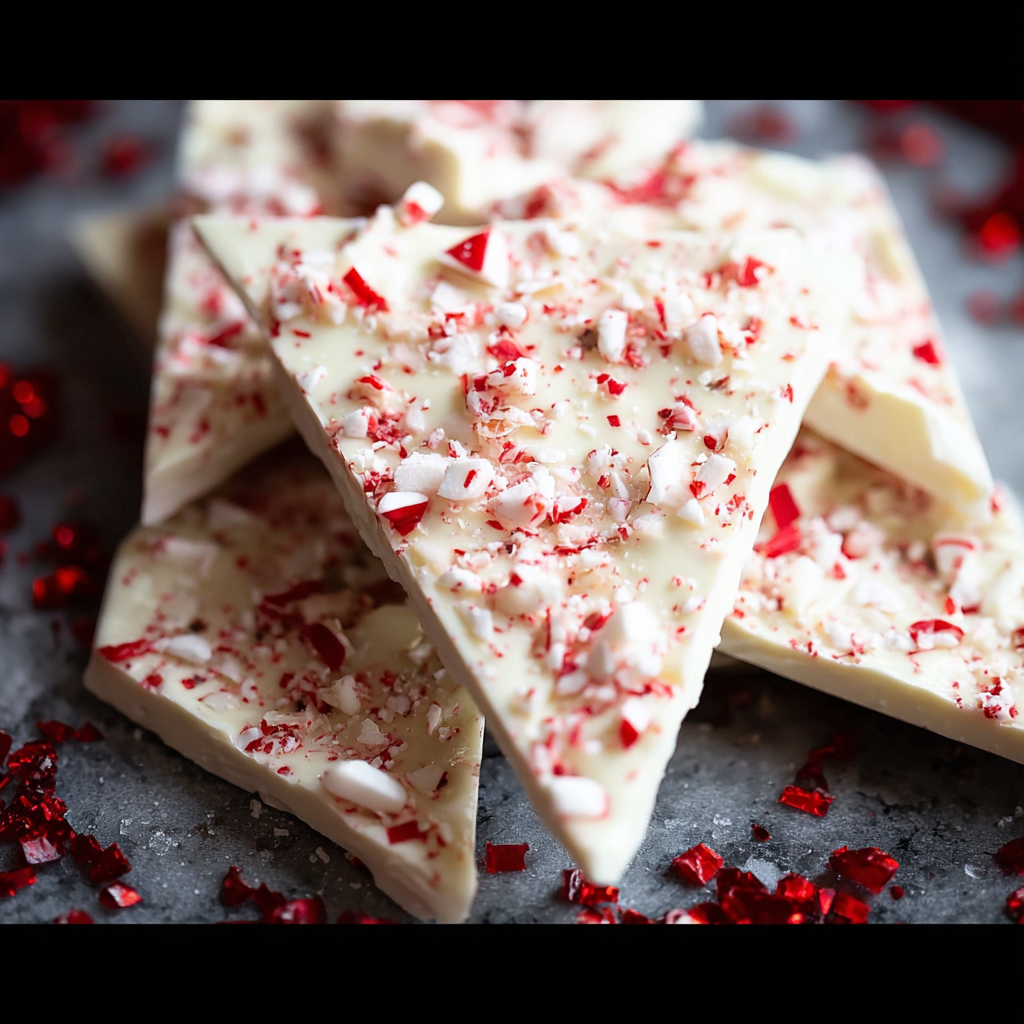
This Salted Peppermint Bark has been my holiday go-to ever since I first made it for a neighborhood cookie swap. It started as a simple experiment: melted chocolate and a candy cane I crushed with the back of a wooden spoon. What came out of the oven-less process surprised me—the crunch of the peppermint, the silky snap of the chocolate, and the hint of sea salt created an irresistible contrast. Over the years I refined the proportions, switched to light cocoa candy melts when I wanted a milder chocolate, and discovered that a tiny dash of oil-based peppermint extract makes the aroma pop without seizing the chocolate.
I usually make a double batch for family parties and gift tins. The texture is a lesson in contrasts: a smooth chocolate base that sets firm, a creamy white layer that gives a cool mint lift, and crunchy peppermint shards that add both flavor and festive color. This particular version uses almond-style white bark for easy melting and a glossy finish; if you prefer a darker flavor profile, semisweet chips work beautifully too. Every year my kids help press the crushed candy on top, and seeing their faces when they taste that first bite is the real reason I keep making it.
Why You'll Love This Recipe
- Ready in under 30 minutes of active time, with minimal tools required—perfect for last-minute gifts or a quick holiday bake sale contribution.
- Uses pantry staples like chocolate melts or chips and simple candy canes; you can substitute with what you already have on hand.
- Make-ahead friendly: it stores well at room temperature or chilled and ships nicely in tins for mailing to friends and family.
- Customizable: swap the dark layer for semisweet or bittersweet chocolate, or add a drizzle of extra chocolate for a decorative finish.
- All ages love the sweet-and-salty contrast—great for parties where you want a crowd-pleasing treat that still feels special.
- Minimal technique required—melting and spreading are forgiving, and I explain easy troubleshooting tips for smooth results.
The first time I brought this to a holiday gathering, a neighbor asked for the recipe three times in one night. Over the years I learned that slightly under-setting the first chocolate layer before adding white chocolate prevents separation and keeps the layers bonded. Family reactions always include an audible delighted gasp when someone bites into a piece and gets both salt and peppermint at once—simple pleasures that never get old.
Ingredients
- Light cocoa candy melts or semisweet chocolate chips (24 ounces): Look for good-quality melts or brand-name chips like Ghirardelli or Guittard for consistent flavor. Light cocoa melts yield a milder chocolate note that pairs well with peppermint.
- White almond bark (20 ounces): Almond bark melts smoothly and gives a glossy white layer; if you prefer, substitute white chocolate chips or melting wafers. Check labels if avoiding actual nuts.
- Peppermint extract, oil-based (1 teaspoon): Oil-based mint extract blends into fat-based chocolate better than water-based varieties—use sparingly for an aromatic lift.
- Crushed peppermint (3 ounces): About three standard candy canes crushed; pulse in a food processor or crush in a heavy zip bag for varied shard sizes.
- Sea salt flakes (1 1/2 teaspoons): Use flaky sea salt like Maldon for a delicate crunch and bright finish; sprinkle lightly to avoid overly salty bites.
- Parchment paper: Essential for easy release and clean edges when the bark is fully set and you lift it off the tray.
Instructions
Line the Pan: Line a cookie sheet or rimmed baking sheet with a single layer of parchment or wax paper, smoothing any folds so the chocolate spreads evenly. Choose a sheet with low sides so the bark is easy to lift off when set. Melt the Chocolate: Using a double boiler or microwave, melt 24 ounces of light cocoa candy melts, stirring continuously until completely smooth. If using a microwave, heat in 20 to 30 second bursts at medium power, stirring between each burst to avoid overheating and graininess. Aim for about 110 to 115°F if you have an instant-read thermometer; overheating can dull the sheen and alter texture. Spread the Base: Pour the melted chocolate onto the prepared sheet and spread with an offset spatula to an even layer about 1/8 to 1/4 inch thick. Allow it to cool and partially set at room temperature for 3 to 6 minutes until it is no longer glossy but still slightly tacky—this prevents the top layer from sliding off. Melt the White Layer: In a clean bowl, melt the 20 ounces of white almond bark in the same manner. Once smooth, stir in 1 teaspoon of oil-based peppermint extract. Taste carefully—a little goes a long way; if you prefer a gentler flavor, reduce to 1/2 teaspoon. Keep the white chocolate warm but not hot so it stays pourable. Assemble: Pour the white almond bark over the partially set chocolate and spread quickly and evenly with an offset spatula. Gently press a handful of the crushed peppermint into the white layer so it adheres. Finish with a scatter of sea salt flakes across the surface. Set and Cut: Allow the bark to set at room temperature for 20 to 30 minutes, or chill for 10 to 15 minutes if your kitchen is warm. Once fully set, lift the parchment from the tray and break or cut the bark into irregular pieces. Store in an airtight container.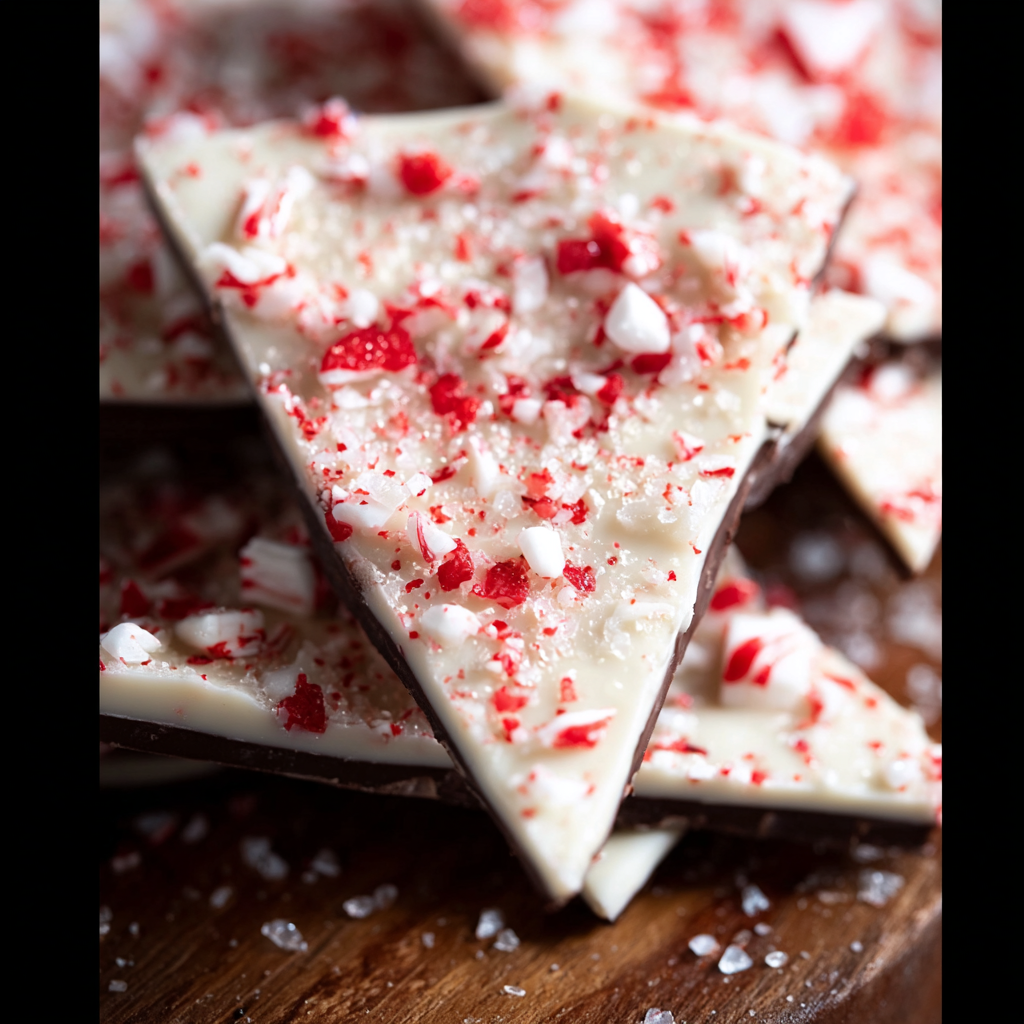
You Must Know
- This keeps well at room temperature up to two weeks in an airtight tin, or up to three months frozen when wrapped and placed in a sealed container.
- Use oil-based peppermint extract for a clean flavor without risking chocolate seizing; water-based extracts can cause separation.
- Chilling speeds setting but can dull shine slightly; for glossy finish set at cool room temperature if possible.
- Crush candy canes to varied shard sizes—fine dust can sink into the white layer, while larger pieces create a nicer crunch and visual texture.
My favorite thing is the tiny ritual of pressing shards into warm white chocolate while the kids watch like it's magic. Once, a batch accidentally sat near the oven and warmed just enough to make the white layer glossy and extra silky—the lesson was that slight warmth helps create a satin finish but too hot will make the layers separate. These little experiments teach you the feel of melting chocolate, and the results are always worth it.
Storage Tips
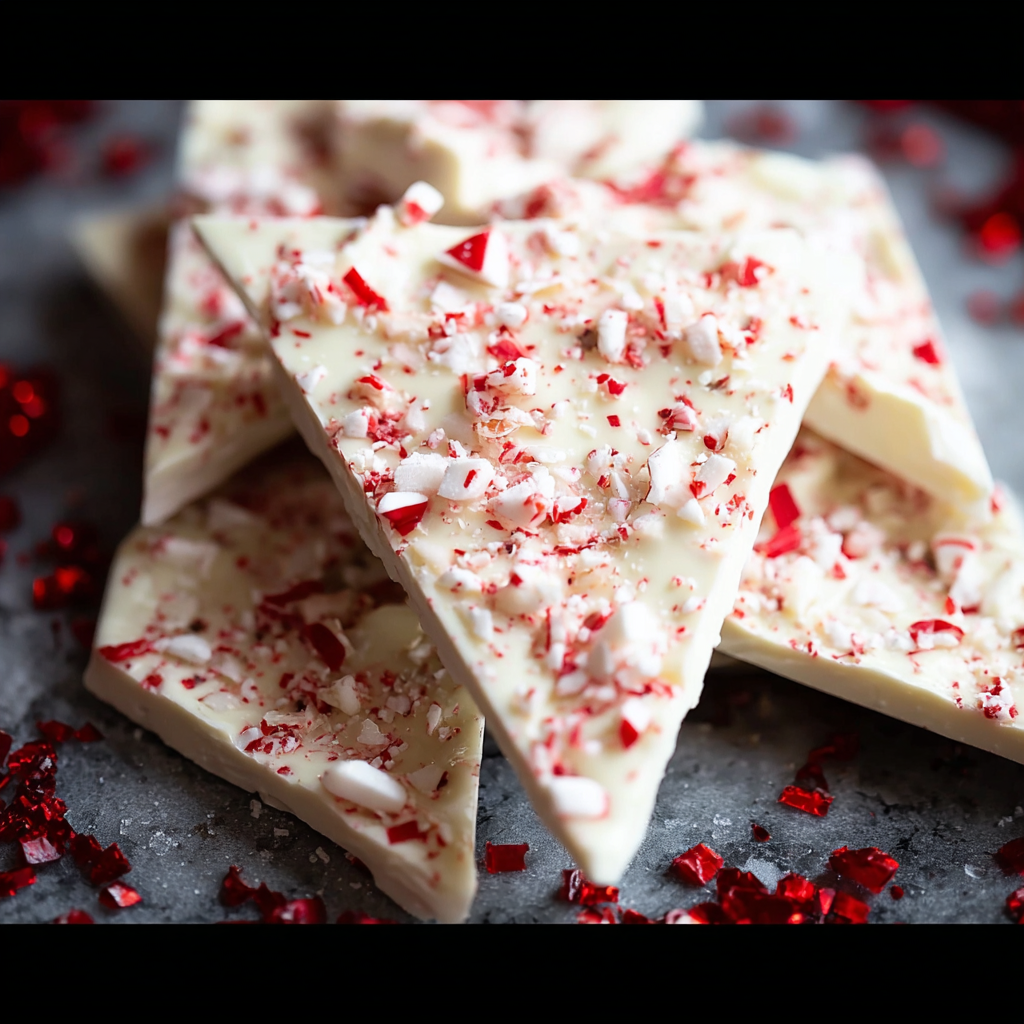
Store finished pieces in a single layer separated by parchment in an airtight container. At room temperature, keep the container away from heat sources and direct sunlight to prevent blooming; the bark will stay fresh for up to two weeks. For longer storage, freeze in a freezer-safe container for up to three months; thaw in the refrigerator before bringing to room temperature to avoid condensation forming on the surface. When shipping as gifts, include a small cold pack and wrap pieces well to minimize movement and breakage.
Ingredient Substitutions
If you do not have light cocoa melts, use semisweet or milk chocolate chips—24 ounces is roughly three standard bags of chips. White almond bark can be swapped for white chocolate chips or candy melts, though white chocolate chips may need an added teaspoon of neutral oil to smooth the texture. If you avoid almond-flavored products, choose a pure white chocolate that is nut-free. For a more intense mint, use 1/2 teaspoon peppermint oil and 1/2 teaspoon peppermint extract to balance aromatic intensity without overheating the chocolate.
Serving Suggestions
Serve on a festive platter lined with wax paper or fold pieces into clear cellophane bags tied with ribbon for charming gifts. Pair with hot cocoa or coffee for a cozy after-dinner treat, or place small shards in bowls for party grazing. For an elegant display, arrange larger pieces on a slate board and sprinkle additional crushed peppermint and a few whole candy canes as garnish. The salt pairs well with bitter espresso and also balances overly sweet white chocolate for adult palates.
Cultural Background
Peppermint bark as we know it became popular in North America in the late 20th century as confectioners began layering chocolate with crushed peppermint for holiday markets. It is closely tied to holiday candy-making traditions where simple, no-bake treats are preferable for quick production and gifting. The concept borrows from classic European bark confections but evolved into its current peppermint-sprinkled form in American seasonal baking culture, often sold in specialty shops and widely recreated at home.
Seasonal Adaptations
Beyond the classic red-and-white holiday look, adapt the recipe seasonally: add toasted pistachios and green-tinted white chocolate for a spring twist, or swirl in a little orange oil and chopped candied ginger for autumn festivals. For Halloween, use dark chocolate with orange candy pieces. Swap peppermint for crushed freeze-dried strawberries in summer to create a bright pink version. Each swap keeps the same method but gives the bark a distinct seasonal personality.
Meal Prep Tips
Prepare components in advance: melt and temper the dark layer and keep it warm in a thermos or slow cooker on low if you are making large batches. Store crushed peppermint in airtight jars for quick assembly. If planning to package gifts, portion pieces into small tins ahead of time and label with suggested storage and use-by dates. Setting the bark in a shallow tray with edges the exact size of your gift boxes minimizes trimming and waste for efficient assembly.
In the end, this Salted Peppermint Bark is about simple techniques yielding beautiful results: smooth melting, timely assembly, and a light hand with salt. Make a batch, share it, and tweak the elements until you find your perfect balance of sweet, mint, and salt.
Pro Tips
Use oil-based peppermint extract rather than water-based to prevent chocolate from seizing.
Partially set the first chocolate layer before adding the white layer to prevent separation.
Crush peppermint to a mix of shard sizes for visual appeal and varied crunch.
Warm the white layer just enough to pour; overheating will make it grainy.
Store in single layers separated by parchment to prevent sticking and preserve texture.
This nourishing salted peppermint bark recipe is sure to be a staple in your kitchen. Enjoy every moist, high protein slice — it is perfect for breakfast or as a wholesome snack any time.
FAQs about Recipes
How long does the bark keep?
Yes. Store in an airtight container at room temperature for up to two weeks or freeze up to three months.
Can I use any peppermint extract?
Use oil-based peppermint extract to avoid seizing. Heat in short intervals and stir frequently if using a microwave.
Tags
Salted Peppermint Bark
This Salted Peppermint Bark recipe makes perfectly juicy, tender, and flavorful steak every time! Serve with potatoes and a side salad for an unforgettable dinner in under 30 minutes.
Ingredients
Base layer
Top layer
Toppings & finishing
Tools & support
Instructions
Line the pan
Line a rimmed cookie sheet with parchment or wax paper and smooth out any wrinkles so chocolate spreads evenly.
Melt the base chocolate
Melt 24 ounces of light cocoa candy melts in a double boiler or microwave in short bursts, stirring until smooth and glossy.
Spread the base
Pour and spread the melted chocolate to an even layer about 1/8 to 1/4 inch thick; let it partially set until tacky but not hard.
Melt and flavor the white layer
Melt 20 ounces white almond bark and stir in 1 teaspoon oil-based peppermint extract; keep it warm and pourable.
Assemble and top
Pour the white layer over the partially set base, spread evenly, press crushed peppermint into the surface, and sprinkle sea salt flakes.
Set and cut into pieces
Allow the bark to set at room temperature for 20 to 30 minutes or chill for 10 to 15 minutes, then lift from parchment and break into pieces.
Last Step: Please leave a rating and comment letting us know how you liked this recipe! This helps our business to thrive and continue providing free, high-quality recipes for you.
Nutrition
Did You Make This?
Leave a comment & rating below or tag
@mrsrecipe on social media!
Categories:
You might also like...

Best Chicken Fried Steak
A crispy, tender chicken fried steak with a rich sausage cream gravy — classic comfort food perfect for family dinners and weekend indulgence.
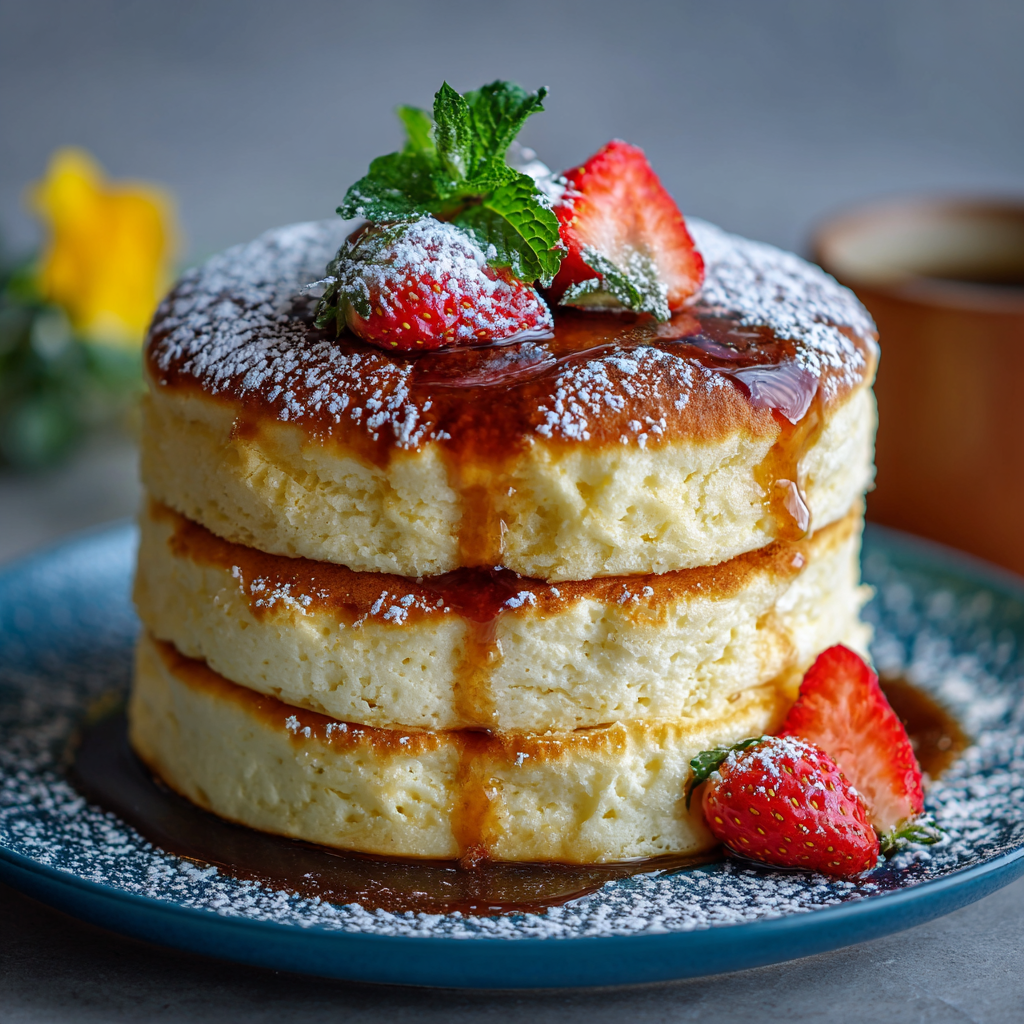
Fluffy Japanese Soufflé Pancakes
Tall, cloudlike pancakes with a delicate eggy interior and golden exterior, perfect for a celebratory breakfast or a relaxed weekend treat.

Creamy Chicken Stuffed Peppers
Bell peppers filled with a rich, creamy chicken and cheese mixture—simple to assemble, family-friendly, and perfect for weeknight dinners or make-ahead meals.
Did You Make This?
Leave a comment & rating below or tag @mrsrecipe on social media!
Rate This Recipe
Share This Recipe
Enjoyed this recipe? Share it with friends and family, and don't forget to leave a review!
Comments (1)
This recipe looks amazing! Can't wait to try it.
Comments are stored locally in your browser. Server comments are displayed alongside your local comments.
Hi, I'm Clara!
What's Popular

Get My 30-Minute Meals email series!
Quick and easy dinner ideas delivered to your inbox.